
by Blaire Massa, CEO, Ballet Des Moines
The Shiniest Objects are People
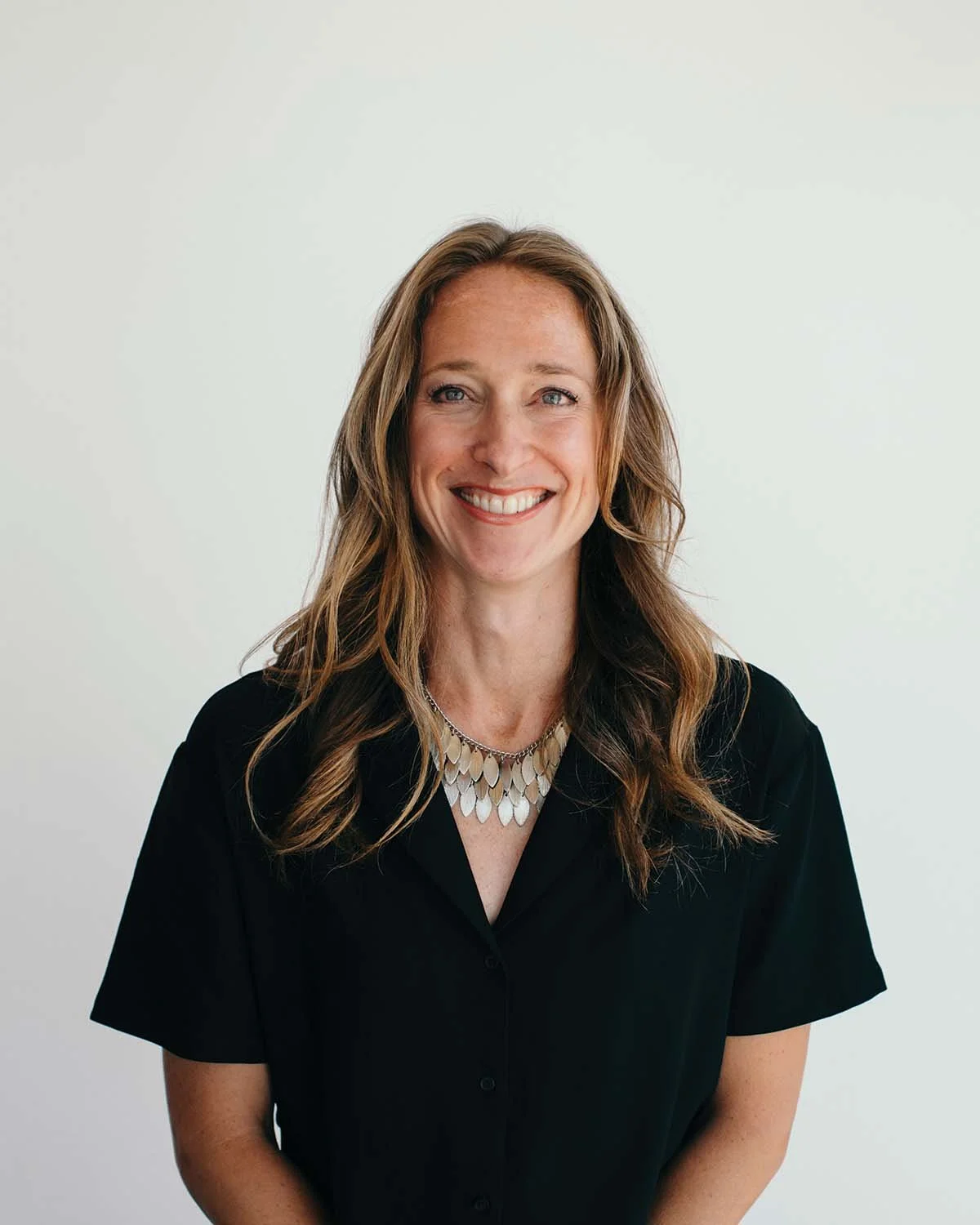
Blaire Massa. Submitted photo
Blaire Massa moved with her family from D.C. to Des Moines in 2019 with 20 years of international experience in arts and education nonprofits. Studying at the London School of Economics and in classical ballet gives her a uniquely blended background that allows her to connect the priorities of business management and artistic vision. Massa’s leadership style is values-oriented, with specific focus on the importance of authenticity and trust in building accessible and inclusive spaces for creativity and collaboration. Massa’s time in the education sector has endowed her with a deep understanding of the impact that arts access has, particularly on underserved and youth communities, to drive academic success, broaden horizons, and create a sense of belonging and community pride.
_________________________
Fundraisers have long been frustrated with funders’ continued preference for new programs, specific events and capital campaigns: “shiny objects” that make great proposals, punchy marketing fodder and easy soundbites. Undoubtedly, these are still the easiest contributions to secure, with some funders going so far as to claim to only fund “initial investments” or one-time needs. The arguments in favor of funding operating support versus short-term projects are many and well-known, yet funders continue to shy away from annual, or even (gasp!) multi-year gifts, or those that support ongoing operations and infrastructure. It is my hope to underscore the immeasurable return on investment for funders when charitable contributions support extraordinary staff, rather than just the latest programs they create.
As the leader of a performing arts organization, our institutional model is based on creating new programs every season, from productions to community partnerships to free performances in new rural communities each summer. You would think that the existing funding model would play into our hands, but I am here to advocate for a shift in perspective. The truth is, none of those programs – created in authentic partnership with our community to serve real and immediate needs – would exist without the staff who design and implement them. I am thrilled to secure an underwriter for an ambitious production, and while that gift has a meaningful impact on the community through the related performances and programs, a much sounder investment would be to support the organization’s ability to put experts at the helm of that project who would also be there to lead the next and the next.
The few exceptions to these trends are notably vocal about their commitment to operational giving, such as Bravo Greater Des Moines, Central Iowa’s regional arts council. “Bravo is proud to be a reliable source of general operating support for more than 80 nonprofit arts and cultural organizations across the region. In today’s volatile economic climate, now more than ever, stable funding supports sustainability and allows organizations to budget and plan with more confidence,” said Sally Dix, president of Bravo Greater Des Moines.
Emily Bahnsen, a local philanthropy consultant with more than 20 years of experience in Des Moines’ philanthropic sector, openly shares how her experiences as a fundraiser shaped her work as a funder. She passionately reminds donors that while special projects are exciting, it’s the people behind the scenes who spend countless hours in strategy meetings, who take time to build trusting relationships across the community, who are personally invested in the success of their programs and their impact. Without these people, mostly compensated through operating dollars, the curtain never rises. “When I meet with nonprofits and share my commitment to support them in this way, they are so grateful for the understanding and relieved that they don’t have to defend their value to the organization,” Bahnsen said. “I believe that as funders, we should place a higher value on the people who uplift nonprofit organizations everyday, allowing them to exhale and trusting them to do the good work they promise to deliver.”
At Ballet Des Moines, after five years of tremendous growth and success culminating in our most successful season to date, largest roster of dancers and three new leadership positions hired from outside of Iowa in the past 12 months, we are poised to exceed even our wildest ambitions. For instance, Ballet Des Moines’ director of education and outreach, Beau Kenyon, has just announced a groundbreaking partnership with Des Moines Public Library – a partnership that has been five years in the making. Had Kenyon not built the trust, model and reputation of Ballet Des Moines as an authentic collaborator, we might still be giving away a few hundred tickets to our performances every year to specific community groups. Instead, after sharing nearly 2,000 tickets through Des Moines Public Schools last season, Ballet Des Moines will be offering free performance tickets to all public library card holders across the state.
But recent decisions at the federal and state levels threaten to affect “funding, services, staffing and, ultimately, the communities we collectively love and support,” as Kristi Knous, president of the Community Foundation of Greater Des Moines, put it. With more than triple the number of employees compared to pre-pandemic, Ballet Des Moines is more vulnerable than organizations on less heady trajectories. Now more than ever, it’s vital that the philanthropic sector step in not only to provide essential immediate funding, but more importantly some semblance of certainty for the organizations who help define our region as vibrant, welcoming and exciting.
Here in Iowa, major business and industry leaders including the Greater Des Moines Partnership and the Iowa Business Council list talent attraction and workforce as a priority for the region. According to the National Council of Nonprofits, nonprofit organizations employ nearly 150,000 people in Iowa, representing 11% of the state’s total private employment. Not only do nonprofits make up a sizable portion of our economy, they have an outsized impact on the quality of life factors that influence decisions on where people want to live and work. From green spaces to street festivals, after-school activities to nights at the theater, nonprofit organizations make our region a livable and dynamic place that continues to make national headlines.
I propose that funders consider human resources as the new “shiny objects” when planning their philanthropic impact. Consider:
Hiring means growth, which should indicate a thriving institution.
Recruitment means marketing, which inherently makes your support more visible to a broader community, potentially across the country.
Human resources provide the most excellent return on investment. Your support now will help secure the most qualified and experienced professional, who will positively impact not only the nonprofit but also the broader community for years to come.
As one friend of mine in the Des Moines nonprofit fundraising community recently told me, “Funders should be asking the experts what they need, and respecting the answer when they tell you.” And I would bet my left pointe shoe that most of them wouldn’t tell you that they need anything remotely shiny.
If you could wave a magic wand and make one wish for the future of the nonprofit sector, what would you wish for?
Multi-year, operational support that targets long-term community outcomes!