
Why multi-year giving is a strategic investment a donor should consider
by Cameron Nicholson, president and CEO, YMCA of Greater Des Moines
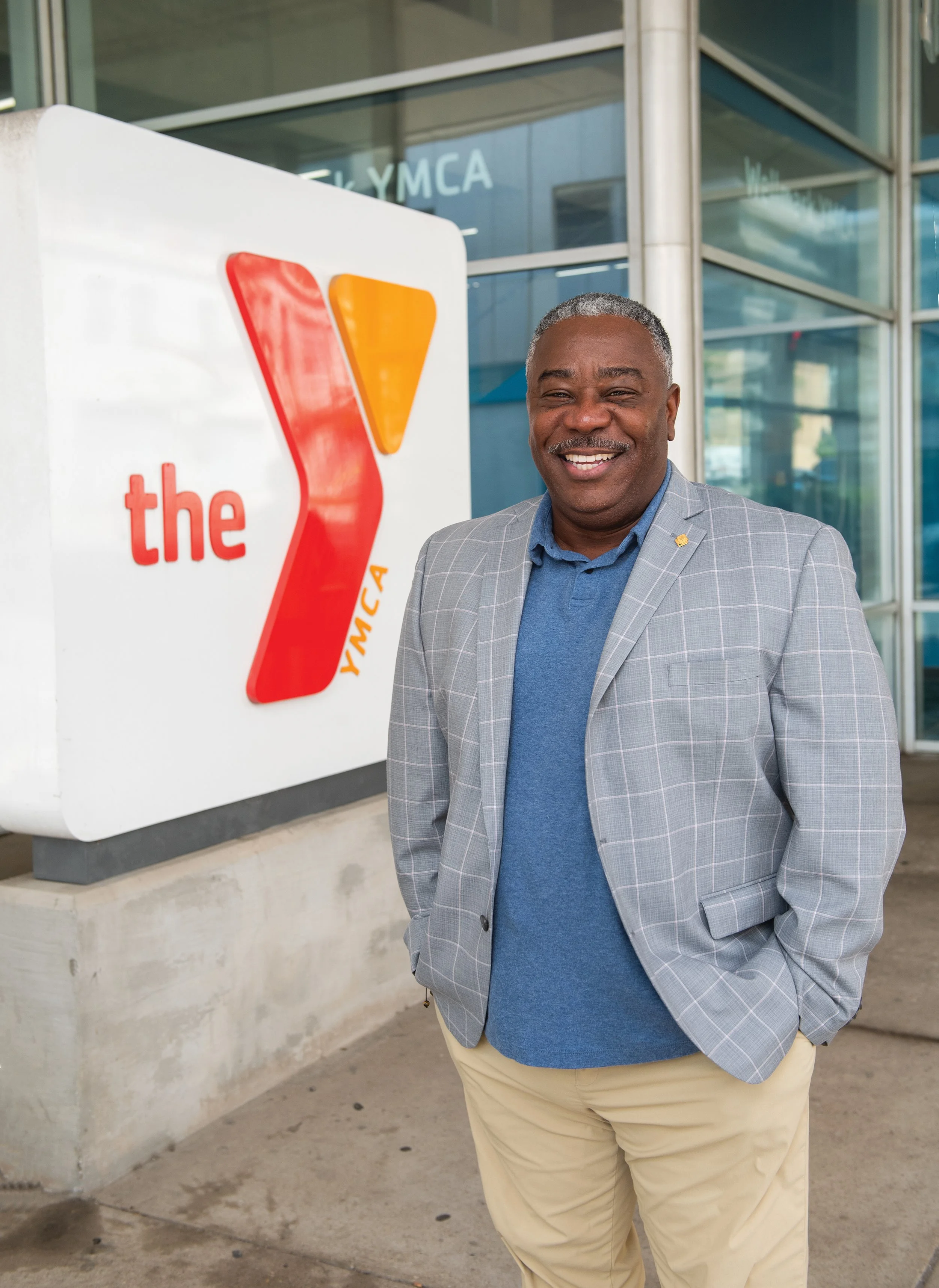
Cameron Nicholson is the president and CEO of the YMCA of Greater Des Moines, dedicated to strengthening community through youth development, healthy living and social responsibility.
__________________________
“One-time gifts build moments. Multi-year gifts build legacies.”
Across the nonprofit sector, donor behavior is shifting and the implications for sustainability are significant. In recent years, we’ve seen an uptick in significant one-time gifts to fund programs and projects. These are exciting moments for us, which are celebrated and much appreciated. For all their impact in the short-term, they may present a challenge for long-term stability.
Cameron Nicholson. Photo by Duane Tinkey
The unintended consequences
At the YMCA of Greater Des Moines, we’ve received several unexpected major contributions in the past year, many of them restricted to specific programs. These gifts help us meet urgent needs, and we appreciate the generosity of the donors and the confidence they have placed in the Y as stewards of these funds.
Large restricted gifts may also create an unintended challenge: Programs launched with one-time funding risk losing momentum or disappearing entirely if the funding isn’t renewed. This can lead to unrealistic expectations for growth as well as force staff layoffs and less than ideal program delivery.
The donor demographic shift
Another trend we see is demographic change among major donors. For decades, our YMCA has been blessed by a core group of committed major donors, many of whom have been with us for many decades. These individuals gave not only because they believed in our mission, but because they saw firsthand the difference we make in the lives of children, families, seniors and those in need.
We are now in a period of transition. Some of our long-time major donors have moved away, and with them, the annual gifts of five figures or more that have sustained programs for years. With the historic transfer of wealth to the next generation, philanthropic habits are changing. Children and grandchildren may share their parents’ values, but they often express generosity differently: through more diversified giving, donor-advised funds or causes that reflect their own priorities.
The result? A loss of five-figure annual gifts that smaller donations cannot yet replace.
Multi-year giving: The smartest play in philanthropy
The answer isn’t just raising more, it’s raising smarter. If there is one step we can take to ensure the YMCA’s continued ability to serve our community at the highest level, it is the cultivation of multi-year gifts. Multi-year commitments, typically over three to five years, are not just “nice to have” they are essential for:
Planning with confidence. When we can project funding three to five years out, we can make smarter, more strategic decisions. We can expand programs knowing they will have the resources to thrive. We can invest in staff and outreach without the constant concern of whether the funding will be there next year.
Maintaining staff continuity. Our programs succeed because of the dedicated, talented people who lead them. Multi-year gifts allow us to retain and train staff who build trust and relationships with the people we serve. Staff retention is critical especially in programs like youth development, chronic disease prevention and housing, where stability is part of the service itself.
Clearly communicating funding gaps. When we know our revenue commitments in advance, we can more effectively communicate real, specific needs to other donors. Rather than seeking emergency funding to fill a sudden shortfall, we can invite partners to invest in well-planned initiatives that will deliver measurable impact over time.
Why businesses should care
For business leaders and corporate philanthropists, multi-year giving mirrors the principles of sustainable business investment. Just as companies value long-term contracts for stability and growth, nonprofits rely on sustained support to deliver consistent, measurable results.
Think of it as venture capital for community impact: You’re not just funding a launch you’re investing in scaling and sustaining what works.
A call to action
One-time gifts will always be part of the philanthropic story, and they will always be celebrated. If we want to ensure strong, consistent community services whether youth development, chronic disease prevention, or housing for those overcoming homelessness, we should make multi-year giving the norm, not the exception.
Imagine the difference if every donor committed to three years instead of one. Instead of uncertainty, nonprofits could plan with confidence. Instead of scrambling to fill funding gaps, they could focus on delivering and innovating.
The most powerful question a donor can ask is not, “What can I do this year?” but “What can we build together over the next five years?”
If you could wave a magic wand and make one wish for the future of the nonprofit sector, what would you wish for?
If I could wave a magic wand, I would wish for a renewed culture of volunteerism to anchor the nonprofit sector. Volunteers would be seen as essential not only in governance, but also in delivering programs and services. With well-trained, mission-driven and highly motivated volunteers, organizations could stretch limited resources and increase impact. Society would benefit from an engaged citizenry, individuals would find belonging and purpose, and communities would grow stronger. We would know we’re successful when political divisions soften, employment rises, crime falls and families thrive; we would succeed economically and emotionally, because people would see themselves not as bystanders, but as part of the solution.