
Investing in the people who sustain agriculture
by Carlos Garcia Rodriguez, regional director, Central Iowa region, Proteus Inc.
Carlos Garcia Rodriguez currently works as the regional director for the Central Iowa region at Proteus Inc., a nonprofit organization that provides farm and agricultural workers with access to education, training and affordable healthcare. He has worked across different industries and served as an ESL and Spanish teacher for Chinese speakers. He earned his BBA and MBA from Tamkang University in Taiwan, focusing his studies on intercultural communication and integrating projects across different cultures and languages.
________________________
Nonprofits are starting to see a shift in agricultural philanthropy; donors want to support not just the industry, but the workers behind it. Agriculture remains one of the most important industries in our country. From planting and harvesting crops to processing and distributing food, the agricultural sector depends on a dedicated workforce that often works behind the scenes and largely out of public view. Many of these workers are immigrants who have become an essential part of local economies and communities. Their labor supports farms, businesses and families while helping to ensure food reaches tables across the nation.
At Proteus Inc., a nonprofit dedicated to empowering farm workers, we have noticed growing interest in initiatives that support the workforce at the heart of the agricultural industry. There is a broader recognition that many of the individuals who plant, harvest and process the food that reaches our tables face challenges that can be addressed through community investment. Workforce development, education, healthcare, housing and family support are increasingly viewed as meaningful ways to strengthen both agricultural communities and the long-term stability of the food system.
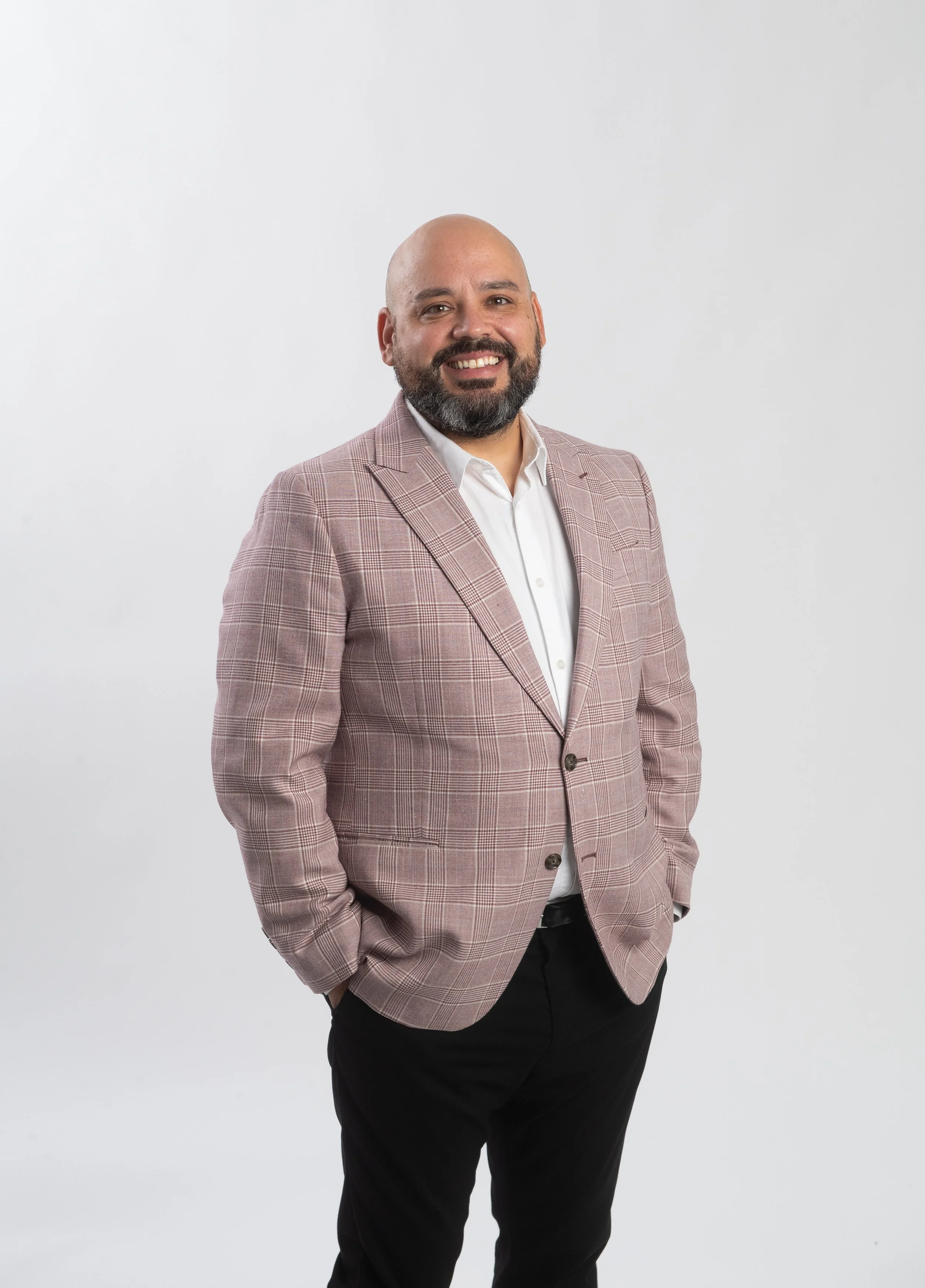
Carlos Garcia Rodriguez. Photo by Duane Tinkey
One of the most notable philanthropic trends our organization has observed in recent years is a growing desire among donors to support the individuals and families who sustain our agricultural communities. As awareness grows of the connection between food production, economic stability and community well-being, many donors are increasingly investing in programs that help agricultural workers and their families access the resources, services and opportunities they need to thrive. This trend reflects a broader understanding that strong food systems and strong communities depend on the well-being of the people whose labor makes both possible.
Another factor contributing to this trend is increased public awareness of the challenges facing agricultural workers. While agriculture is recognized as essential work, many workers and their families face barriers that can limit access to services or opportunities for advancement. Organizations such as Proteus Inc. are helping address these challenges through initiatives like the Farmworker Youth Leadership Program (FYLD) program, which provides opportunities for personal development, leadership training and career advancement. Programs like FYLD demonstrate how targeted investments can equip agricultural workers and their families with the tools needed to achieve long-term success and economic mobility.
This trend is not driven by partisan interests or political viewpoints. Instead, it reflects a growing recognition of shared values. Regardless of background or ideology, most people understand the importance of a reliable food supply, strong local economies and healthy families. In Iowa alone, more than 385,000 residents experience food insecurity, while agriculture remains a major driver of jobs and economic activity across the state. Nationally, farmers consistently rank among the most trusted professions in America. Together, these realities help explain why donors are increasingly motivated by the belief that supporting the people who produce our food and sustain rural communities, benefits society as a whole.
The trend also highlights an evolution in modern philanthropy. Today’s donors frequently seek tangible evidence that their gifts are making a difference. They want to understand how their contributions improve lives and strengthen communities. Programs such as the Proteus Agricultural Health Program provide a clear example of measurable impact by expanding access to healthcare services and health education for agricultural workers and their families. Along with educational support, workforce training and family-centered services, these initiatives help create healthier communities while providing donors with meaningful outcomes they can see and understand.
Many supporters are also interested in strengthening connections within their communities. They recognize that agriculture depends on the contributions of people from diverse backgrounds and experiences. By supporting organizations that serve agricultural workers and their families, donors help foster greater community engagement, belonging and mutual respect. They also understand that strong communities and strong economies go hand in hand. Investments in worker well-being can help create a more stable workforce, support reliable food production and supply chains, and generate positive economic effects that extend throughout local communities. When agricultural workers and their families succeed, farms, businesses and rural economies are better positioned to grow and prosper.
Looking ahead, I believe this trend will continue to grow. Donors are increasingly interested in supporting initiatives that create sustainable impact, strengthen local communities and acknowledge the contributions of individuals whose work is fundamental to everyday life. As awareness increases, philanthropy will likely play an even greater role in addressing the needs of agricultural workers and their families while helping communities remain strong, resilient and prosperous. This growing interest presents significant opportunities for nonprofit organizations to clearly demonstrate the impact of their programs through outcomes that can effectively connect donor investments to meaningful, lasting change in their communities.
Charitable giving reflects our collective priorities. The growing interest in supporting the people who contribute to agriculture demonstrates a recognition that the strength of our food system depends not only on land or equipment, but also on the individuals who make it possible every day. By investing in farmworkers, donors are helping to cultivate communities that are healthier, more connected and better equipped to succeed for generations to come.
If you could wave a magic wand and make one wish for the future of the nonprofit sector, what would you wish for?
I do not believe in magic wands, but I do believe in the power of awareness. If I could wish for one thing, it would be a greater public understanding of the vital role nonprofit organizations play in strengthening our communities and addressing challenges that neither government nor business can solve alone. With increased awareness would come greater trust, engagement, philanthropy and investment in nonprofit work. I believe this shift would lead to more charitable giving, more operational support and more sustainable funding, allowing nonprofits to focus less on survival and more on creating lasting impact.