
Passionate people
For Impact Leaders give pulse on nonprofit sector
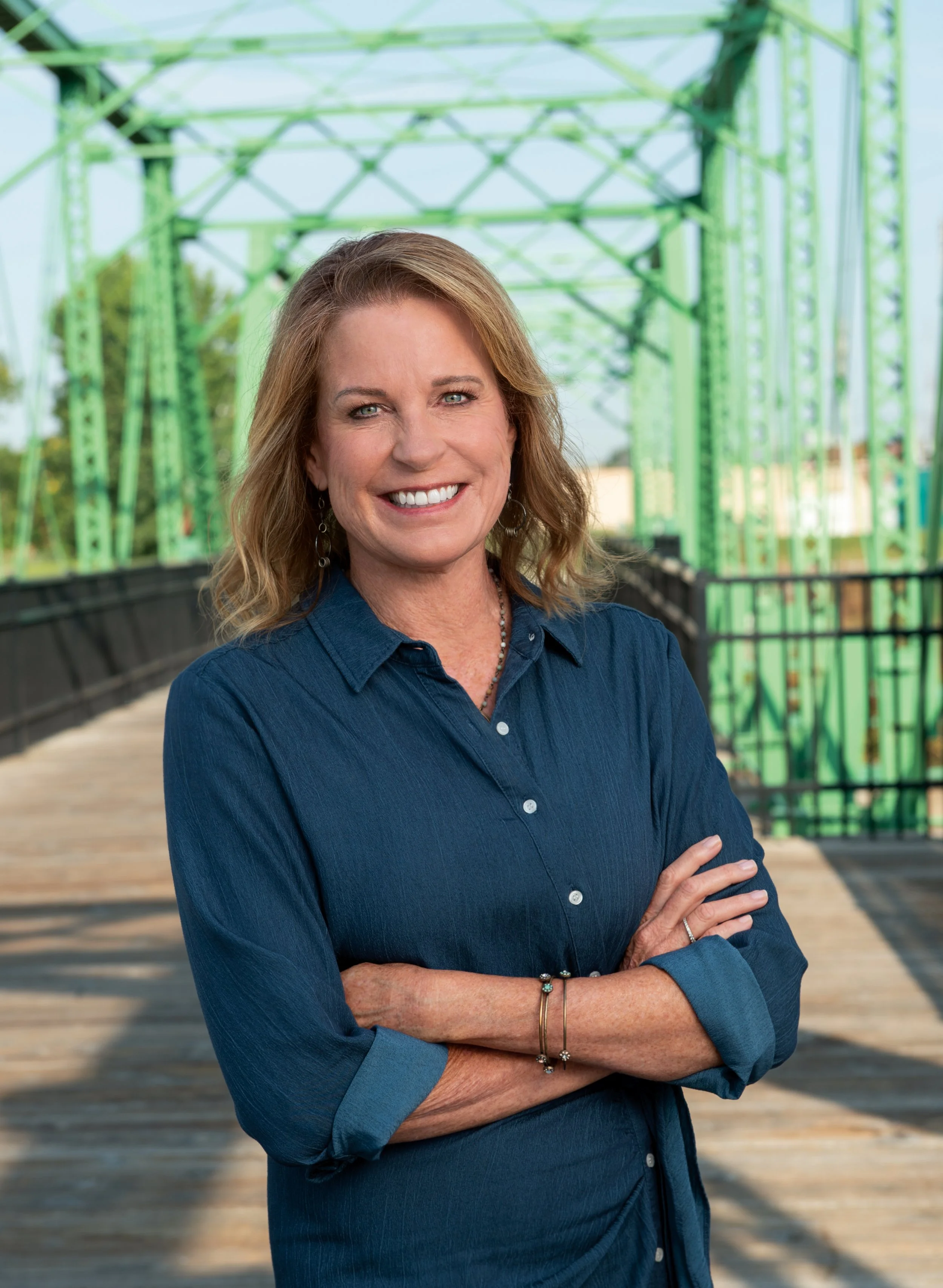
Kristi Knous
The Community Foundation of Greater Des Moines’ For Impact Leaders program offers nonprofit professionals the opportunity to advance their leadership skills and develop a strong network. We checked in with the program’s past participants, program mentors and this year’s graduates to provide a pulse on the nonprofit sector. We’ve lightly edited responses for clarity.
— Compiled by Emily Barske Wood, special projects editor, Business Record
A note about the For Impact Leaders program
As we reflect on this year’s changes in philanthropy, we’re reminded that the landscape of our nonprofit sector is constantly evolving. It has been a highly challenging time with significant unpredictability – often affecting funding streams and, ultimately, the causes we collectively care about. Moving forward, we know collaboration isn’t optional – it’s essential. Together, our for-impact (nonprofit) sector organizations are a force for good, a catalyst for change and a beacon of hope. Those who serve the sector remain the driving force behind lasting impact.
That is why the Community Foundation continues to invest in For Impact Leaders, a program designed to foster a strong, healthy and effective for-impact sector across our community. Over nine months, participants grow as leaders, strengthen personal and professional skills and form connections that amplify their impact – no matter their experience or position. It is our distinct pleasure to continue this programming, because when we lead and learn together, we are better together!
— Kristi Knous, President of the Community Foundation of Greater Des Moines
A.J. Salinas
Assistant executive director, Children & Family Urban Movement, 2023 graduate
What makes you hopeful about the nonprofit sector currently?
The people. There are so many passionate individual leaders in the nonprofit space in Des Moines. Their creativity, unique and forward-thinking approaches gives me hope. They inspire me.
If you could wave a magic wand and make one wish for the future of the nonprofit sector, what would you wish for?
For everyone to collaborate. We could get a lot more done if we worked together more and cared less about who got the credit.
What have you learned through your For Impact Leaders involvement?
That no matter the problem, community is the solution. And we have a great community of leaders that uplift each other and want each other to succeed.
Alex Nuzum
Education manager, Greater Des Moines Botanical Garden, 2025 participant
What makes you hopeful about the nonprofit sector currently?
I’m excited to see growing collaboration and shared learning across the nonprofit sector. More than ever, organizations are pooling their resources, expertise and energy to achieve greater impact together. This spirit of partnership fosters open communication, trust and collective problem-solving — creating a stronger, more resilient sector.
If you could wave a magic wand and make one wish for the future of the nonprofit sector, what would you wish for?
I would wish for long-term, flexible funding for nonprofits. Too often, short-term or restrictive grants limit innovation and force organizations to focus on survival over impact. Flexible funding would empower nonprofits to invest in strategy, build strong teams and respond to needs in real time — leading to deeper engagement and lasting change.
What’s something you didn’t expect to experience while working in the nonprofit sector?
I didn’t expect how dynamic and fast-paced the nonprofit environment would be — or how much personal growth it would spark, often in unexpected and niche areas. Working on a small (but mighty) team in a constantly evolving space has pushed me to think creatively, navigate complexity and “wear many different hats.” The openness to innovation and variety of the work have opened doors to develop new skills and explore areas I never anticipated. You truly never know what challenge or opportunity might come next — and that’s part of what makes it so exciting.
What have you learned through your For Impact Leaders involvement?
I have learned how to lead with purpose by keeping the mission at the center while empowering others. I gained practical skills in stakeholder engagement, strategic planning and resource management. It reinforced the importance of empathy, adaptability and building trust within teams and communities. I also learned how to navigate challenges unique to the nonprofit sector, such as limited resources and high-impact expectations. Overall, it strengthened my ability to lead collaboratively, communicate effectively and stay focused on creating sustainable, mission-driven impact.
Mary Ready
Family service coordinator, IMPACT Community Action Partnership, 2025 participant
What have you learned through your For Impact Leaders involvement?
Through participating in the For Impact Leaders cohort, I have not only gained a new depth and width of knowledge about operating and leading within the nonprofit sector, but I also learned so much about the outstanding organizations and people working to make Des Moines the best it can be. There are moments that doing this work can feel overwhelmingly daunting, but every time I heard from our knowledgeable presenters and wonderful fellow cohort members, I was reminded of the strength, wisdom and resiliency of this nonprofit community – it’s truly an honor to be a part of it.
Anna Gleason
Creative director, YMCA of Greater Des Moines, 2025 participant
What makes you hopeful about the nonprofit sector currently?
Mr. Rogers famously said to “look for the helpers” in difficult times, and nonprofit leaders are committed to being those helpers. It’s a tumultuous time within our sector (and world at large), and I am energized by the tenacious and thoughtful leadership of nonprofit professionals. They are making meaningful progress by confronting challenges head-on and having candid conversations about the issues we face. These leaders have helped me to realize that hope is more than passive optimism, but a belief in a better world and an active determination to work for it, together.
Amy Saylor
Director of operations, Bravo Greater Des Moines, 2025 participant
What makes you hopeful about the nonprofit sector currently?
The nonprofit sector is filled with smart, creative individuals who dedicate their careers to making a difference. I see both the present impact and the future potential in the passionate people who are, or will become, leaders in these organizations.
If you could wave a magic wand and make one wish for the future of the nonprofit sector, what would you wish for?
I wish more people outside the nonprofit sector understood that “nonprofit” is simply a tax status — it doesn’t make an organization any less capable, innovative or impactful than those in the for-profit world.
What have you learned through your For Impact Leaders involvement?
I’ve learned that even if I struggle with a perceived weakness in my work, I can still accomplish the task — it simply requires a different level of energy to complete it. Recognizing strengths is valuable, but going a step further to acknowledge that I can also succeed in areas of weakness has been very helpful. This insight has given me the confidence to take on more uncomfortable work, knowing that I can navigate it successfully.
Tracy Gryp
Director of corrections recovery program, Full Circle Recovery, 2024 participant
What makes you hopeful about the nonprofit sector currently?
I’m hopeful because I see more nonprofits embracing collaboration instead of competition. In Greater Des Moines, organizations are coming together to share resources, amplify each other’s work and address complex issues in ways no one could do alone. There’s a growing recognition that lived experience matters, and people directly impacted by the issues are being given a seat at the table. That shift toward inclusivity, trust and authentic partnership tells me the sector is evolving in a way that can create real, lasting change.
If you could wave a magic wand and make one wish for the future of the nonprofit sector, what would you wish for?
I would wish for a nonprofit sector where every organization has the resources, trust and time to do its work well. That means funding that covers both programs and the people running them, and freedom from unnecessary red tape. I would also wish for more decision-making power in the hands of those directly impacted by the issues we are trying to solve. When the people most affected are leading the solutions, we see more creativity, more relevance and more lasting change. That shift could transform the sector and the communities it serves.
What’s something you didn’t expect to experience while working in the nonprofit sector?
I did not expect to find so much inspiration in the resilience and creativity of the people I meet. Every day I see individuals and organizations finding ways to solve problems, often with limited resources, and it pushes me to think differently too. I have been surprised by how much the work changes me in return. The relationships built, the stories shared and the small wins along the way remind me why this work matters. It is not just about serving others. It is also about growing alongside them and celebrating progress together.
What have you learned through your For Impact Leaders involvement?
I have learned how powerful it is to be surrounded by leaders who are willing to share openly and challenge each other to grow. The For Impact Leaders program has reinforced that collaboration is not just a value, it is a strategy for real change. Hearing different perspectives has helped me see new approaches to complex problems and reminded me that no one has to do this work alone. It has also shown me the importance of investing in leadership development, because strong, supported leaders are better equipped to create lasting impact in their organizations and communities.
Luke Rohe
Learning and development specialist, Goodwill of Central Iowa, 2025 participant
What makes you hopeful about the nonprofit sector currently?
What gives me hope about the nonprofit sector is the people. I’ve met so many incredible professionals who are dedicated, sharp and willing to pour endless energy into making sure resources reach those who need them most. Being around that kind of passion is inspiring — it makes me want to step up, give my all and keep showing up every day.
If you could wave a magic wand and make one wish for the future of the nonprofit sector, what would you wish for?
If I could wave a magic wand, I’d wish for consistent, sustainable funding for nonprofits. Fundraising is one of the toughest challenges we face, yet it’s the backbone that allows organizations to keep providing essential services. With stable resources, we could focus more energy on innovation, collaboration and truly meeting the needs of our communities without the constant worry of “how will we keep the lights on?”
What’s something you didn’t expect to experience while working in the nonprofit sector?
Something I didn’t expect was just how supportive people are, and how eager they are to show up and help. I’ve had the chance to work alongside other nonprofits, businesses and community members who contribute in all kinds of ways, whether it’s volunteering their time, making donations or simply spreading the word. That generosity and willingness to pitch in is a powerful reminder of how much we can accomplish when our community rallies together.
What have you learned through your For Impact Leaders involvement?
Through For Impact Leaders, I’ve grown in confidence and discovered my voice as a leader, learning to trust my ideas and decisions. I’ve also built a strong network of peers and mentors who I know I can turn to for advice, encouragement, and collaboration. On top of that, I’ve gained a more well-rounded understanding of how nonprofits of all sizes operate and how each plays a vital role in serving our communities.
Matthew Johnson
Director of philanthropy, WesleyLife, 2025 participant
What makes you hopeful about the nonprofit sector currently?
My hope for the sector is that leaders and organizations design and evaluate programs and services to meet the evolving needs of the community.
Central Iowa is home to many organizations with track records spanning multiple decades of community impact. I am fortunate to be part of the WesleyLife team and see every day how the organization supports the community through its 78-year-old mission and foundation while continuously asking how we can impact more older adults and veterans across the state of Iowa.
If you could wave a magic wand and make one wish for the future of the nonprofit sector, what would you wish for?
I would wish for more young professionals and individuals seeking meaningful career changes to discover the nonprofit sector’s incredible opportunities. Our field offers unique challenges that build versatile skills, meaningful work that connects to personal values and the chance to create tangible community impact. Through WesleyLife and the For Impact Leaders program, I’ve seen how diverse perspectives drive innovation in addressing complex social needs. By attracting more talent, we can strengthen sustainability, accelerate positive change and ensure nonprofits evolve while honoring our foundational missions.
What’s something you didn’t expect to experience while working in the nonprofit sector?
I have been involved in Central Iowa’s nonprofit sector since my graduation from the University of Northern Iowa in 2019. Beginning my career during the COVID-19 pandemic was a complicated journey and completely transformed how our sector connected with donors, delivered services and collaborated with the community.
What have you learned through your For Impact Leaders involvement?
Through For Impact Leaders at the Community Foundation, I’ve gained a perfect balance of leadership development and valuable professional connections. The program curriculum has strengthened my skills and knowledge base in multiple areas.
The diverse perspectives from community leaders have provided new connections and opened doors to collaboration. I gained valuable insights that translate to my work, and the program’s investment in me as a leader gave me the confidence to elevate both WesleyLife’s mission and myself as an emerging community leader.
Laila Williams
Growth and development manager, By Degrees Foundation, 2025 participant
What have you learned through your For Impact Leaders involvement?
I have gained incredible insights during my For Impact Leaders involvement. For Impact Leaders has deepened my understanding of the dynamic nonprofit sector and how we can collaborate to serve communities effectively.
I have also developed professional skills that have motivated me to serve on a nonprofit board and seek further development opportunities. I learned a great deal from my fellow cohort participants and am grateful for the extensive experience I gained through this program.
Andrea Stacy
Associate director of development, The Nature Conservancy, 2025 participant
What makes you hopeful about the nonprofit sector currently?
The resiliency, creativity and grit of the folks working in the nonprofit sector gives me a lot of hope. When faced with challenges, which seem to be endless lately, these professionals rise to the challenge with positivity and a growth mindset. I really am inspired by my nonprofit sector colleagues who approach these challenges as an opportunity to learn and explore partnerships within the community.
Mike Cooper
Labor liaison, United Way of Central Iowa, 2025 participant
What makes you hopeful about the nonprofit sector currently?
In a time of growing challenges, I’m encouraged by the increasing collaboration taking place across the nonprofit sector. Organizations that may not have partnered in the past are now coming together with shared purpose and urgency. A spirit of unity is rising from the result of increasingly limited resources and a deep commitment to the community, which reflects a powerful shift and resiliency among nonprofits. It’s no longer just about doing good as individual organizations; it’s about lifting each other up to create a broader, lasting impact across our community.
If you could wave a magic wand and make one wish for the future of the nonprofit sector, what would you wish for?
I’d wish for every nonprofit to have the resources needed to fully carry out their mission. Across Central Iowa, organizations are developing bold, innovative solutions to community challenges that have the potential to change working people’s lives in very dramatic and tangible ways — but limited funding often keeps those ideas from becoming reality. Unlocking that potential would not only transform working people’s lives but also drive meaningful progress across our region. It’s a powerful reminder of the impact we can make when we invest in opportunity.
What’s something you didn’t expect to experience while working in the nonprofit sector?
One thing I didn’t expect to experience while working in the nonprofit sector was the freedom to flex my creative muscles. As a musician, I get the greatest sense of fulfillment when I am given opportunities to think outside the box and accomplish or create something that didn’t exist prior. These creative elements can manifest through conversations that lead to the creation of individual projects or chances to build bridges to connect people in the community. The nonprofit landscape is always evolving and it’s important to be able to adapt to those changes in creative ways.
What have you learned through your For Impact Leaders involvement?
My biggest takeaway was the guidance we received to craft personal mission statements to help tell our own personal stories. This has been a great opportunity, because prior to working in the nonprofit space, I gave elevator speeches focused on my employer rather than myself. We were also afforded chances to get feedback from one another to mold our stories into something impactful. For Impact Leaders has exposed me to so many talented individuals along with the knowledge they harness. More than anything, I value the friendships we’ve forged, knowing we can call on each other for anything.
Ellie Burns
Senior director of nonprofit relations, Community Foundation of Greater Des Moines, program facilitator
What makes you hopeful about the nonprofit sector currently?
What gives me hope right now is the incredible people driving the nonprofit sector forward. Every day, I learn from committed, creative and skilled professionals who are working together in new and meaningful ways to strengthen our entire ecosystem. Their collaborative spirit reflects a deep belief in the potential of every person in our community … and that’s powerful.
If you could wave a magic wand and make one wish for the future of the nonprofit sector, what would you wish for?
If I could wave a magic wand, I’d make sure every nonprofit professional felt appreciated and valued for their skills and their spark. That means competitive compensation and benefits packages, time to rest and workplaces where joy and coffee breaks are just as important as board reports. When we care for the people who care for our communities, the ripple effect is extraordinary.
What have you learned through your For Impact Leaders involvement?
Being the facilitator means I get a front-row seat to something really special. Every cohort has its own blend of personalities, experiences and perspectives, yet they’re all fueled by the same passion for making a difference. When you bring together people who genuinely want to learn and connect, they lift each other up, spark new ideas and end up teaching me more than any curriculum ever could!
Peri Montufar
Donor engagement manager, Iowa Healthiest State Initiative, 2023 graduate
If you could wave a magic wand and make one wish for the future of the nonprofit sector, what would you wish for?
If I could wave a magic wand, I would wish for unlimited funding to support our amazing statewide programs and mission at the Iowa Healthiest State Initiative, as well as the incredible work happening across the nonprofit sector.
What’s something you didn’t expect to experience while working in the nonprofit sector?
Nonprofit work can be associated with extremely tight budgets and high demands, so I initially assumed that staff burnout is part of the nonprofit culture. Our team has been fortunate to work with a leader who prioritizes staff well-being, which has made us all feel valued, motivated and more effective.
What have you learned through your For Impact Leaders involvement?
I was fortunate to be part of the inaugural For Impact Leaders class. What stands out most is how approachable and supportive everyone remains, even beyond our regular monthly meetings and gatherings. There’s a strong sense of mutual encouragement, and it’s clear we’re better when we continue to learn from and support one another.
Brett Stiles
Development coordinator, Alzheimer’s Association, 2025 participant
What makes you hopeful about the nonprofit sector currently?
The people who do the work. There are still plenty of people who are driven with passion that are looking to make an impactful change within their community. Those people are amazing at what they do and as long as those people exist there will always be a nonprofit sector.
If you could wave a magic wand and make one wish for the future of the nonprofit sector, what would you wish for?
Stability, in all aspects of the nonprofit sector: in the workforce, with legislation and financials in expenses and revenue.
What’s something you didn’t expect to experience while working in the nonprofit sector?
How much everyone who works in the nonprofit sector wants to help and mentor others who work in the nonprofit sector. This is a sector that wants to see people succeed, because it means the nonprofit sector is getting stronger which means our community is getting stronger. The desire to collaborate, and network for that purpose, is stronger than I expected.
What have you learned through your For Impact Leaders involvement?
The understanding of who I am as a professional in the nonprofit sector and how to connect with people both internally and externally to myself and to the Alzheimer’s Association’s mission.
Julie Burtnette
Executive director, Des Moines Children’s Museum
What makes you hopeful about the nonprofit sector currently?
If you are involved in the nonprofit sector there is always a sense of hopefulness. If there isn’t then you probably need to walk away for a bit or get some more sleep. For myself, I love seeing how nimble and scrappy nonprofits can be. It’s all about getting the work done and making the world a little bit better and how can we do that with as little as possible and still have an impact. I’m extremely lucky that anytime I feel really discouraged, I can walk on the museum floor, and I get to watch the future leaders play and interact with their adults and peers. There is nothing more hopeful than seeing the people who are benefiting from the behind-the-scenes work all nonprofits are doing.
If you could wave a magic wand and make one wish for the future of the nonprofit sector, what would you wish for?
Honestly, I wish people understood nonprofits better. There are a lot of misconceptions about nonprofits. In Iowa a nonprofit organization first gets its employer identification number as a business from the state and then nonprofit status through the federal government. A nonprofit should have all the same business savvy that any business. All nonprofits are their own businesses, too, so I hate when something goes down in one nonprofit and it reflects poorly on all nonprofits. We don’t judge all businesses from a report on something one business does. It always makes me cringe when something bad is reported out.
What’s something you didn’t expect to experience while working in the nonprofit sector?
I never expected to know as much as I do about [Valley West] mall’s plumbing, fire alarm systems and HVAC. All of these things are critical to any nonprofit with any sort of bricks and mortar. We always bring in professionals, but if there was a “Car Talk” show that was about museum maintenance I would listen to it while I cleaned.
What have you learned through your For Impact Leaders involvement?
For Impact Leaders helped me evaluate the strengths and weaknesses of our organization. Hearing from others and being presented with best practices and examples allowed me to continuously look at our organization and improve it, though I secretly loved the days when what we were learning gave me the “good job” pat-on-the-back feeling. It’s important to recognize what we are doing right and what we can do even better.
Gabe Tena
Leadership annual giving officer, Planned Parenthood North Central States, 2025 participant
What makes you hopeful about the nonprofit sector currently?
The nonprofit sector’s resiliency while facing slashed budgets and more people needing support fills my heart with hope. With the chips stacked against our sector, we’re still finding ways to persevere.
If you could wave a magic wand and make one wish for the future of the nonprofit sector, what would you wish for?
I would love it if politics and red tape weren’t a roadblock for people to get the resources they need to live life. Life is already challenging enough. We don’t need more obstacles just to get by.
What’s something you didn’t expect to experience while working in the nonprofit sector?
I wasn’t expecting people’s limited health care choices being taken away and marginalized groups having their civil rights stripped. Basic rights and protections are no longer in place and organizations are having to lean on the community even more.
What have you learned through your For Impact Leaders involvement?
I’ve learned about the importance of having friends/colleagues outside of your own organization. You’re probably facing similar issues, and outside perspectives from trustworthy people can help you process potential solutions.
Ryan Crane
Executive director, NAMI Iowa, program mentor
What makes you hopeful about the nonprofit sector currently?
I am hopeful for the sector because I feel a renewed sense of focus on mission and program delivery – in times of uncertainty, it helps to get clear on things which we can influence and manage. When we turn that energy back to our organizations’ respective missions and goals, it can yield some insights and new appreciation for the way nonprofits show up in their communities.
Janie Jeffries
Director of Stowe Heights Challenge Course, Community Youth Concepts, 2023 graduate
What makes you hopeful about the nonprofit sector currently?
Despite the challenges, there’s a strong spirit of partnership and a deep commitment to social good that defines the nonprofit sector. People who work in this space are driven by mission. Whether rooted in equity, education, health, environment or access, individuals and groups in the nonprofit world bring a can-do attitude, a creative mindset and an inclusive perspective — shaped by working to meet basic needs while navigating sometimes complex barriers alongside the communities they serve.
If you could wave a magic wand and make one wish for the future of the nonprofit sector, what would you wish for?
f I had a magic wand, I would ensure consistent, sustainable funding for support roles and professional development across the nonprofit sector. Too often, nonprofit staff are asked to wear many hats – direct service, administration, outreach, logistics, volunteer coordination, building and grounds maintenance. While this versatility can be energizing, it also stretches capacity thin and can diminish the quality of programming and staff confidence over time.
Staff development and strong behind-the-scenes support aren’t extras, they’re essential. They lay the foundation for innovative, responsive programming. I’d wish for funding structures that value not just the programs themselves, but the people who make them possible: funding that supports intentional mentorship, hands-on training and real investment in staff growth.
When I was new to the field, I learned so much from being mentored by experienced colleagues. I’ve seen how the loss of those shared learning opportunities impacts confidence, morale and sense of community, while also increasing burnout. And of course, when staff struggle, it ultimately affects the quality of service to the communities we’re here to support.
Investing in staff is investing in impact.
What’s something you didn’t expect to experience while working in the nonprofit sector?
One thing I didn’t expect when working in the nonprofit sector is how much the dynamics around age and communication have shifted. When I first entered the field after grad school, and then returned after having children, I brought with me a fresh perspective and deeper appreciation for the work. What surprised me was the impact of generational diversity — how people of different ages approach communication, expectations and work styles. It’s been enriching to reflect on, but also occasionally challenging to navigate those differences effectively.
Another unexpected challenge has been the lack of resources for middle school-aged youths — at a time when support is most critical. This age group is going through a major developmental transition, and yet we seem to be moving away from investing in positive youth development at this level. There’s a noticeable gap in social-emotional programming and supportive spaces, and it feels like a step backward for a population that truly needs connection, guidance and opportunity in the age of social media and vastly more exposure to content at a younger age.
What have you learned through your For Impact Leaders involvement?
Beyond the valuable curriculum in strategic planning, advocacy, program evaluation and more, For Impact Leaders reinforced for me the importance of connection, ongoing development and access to community experts.
The experience aligned with what gives me hope — and what I believe nonprofits need to truly sustain, grow and thrive. The opportunity to connect, share stories, learn from experienced leaders and feel supported in my own development was a reminder of the strength we gain through community.
Jasmine Brooks
Executive director, 6th Avenue Corridor, 2025 participant
What makes you hopeful about the nonprofit sector currently?
What excites me most about the nonprofit sector is the emergence of new, dynamic leadership. After decades of the same voices at the table, we’re seeing a powerful shift — a passing of the torch to a new generation of leaders who bring fresh ideas, lived experience and bold approaches to community change. This transition signals a more inclusive, innovative and responsive future for the sector.
If you could wave a magic wand and make one wish for the future of the nonprofit sector, what would you wish for?
If I could wave a magic wand, I’d wish for significantly more unrestricted funding across the nonprofit sector. Too often, organizations are forced to build strong programs on shaky foundations due to limited resources for staffing, systems and long-term planning. Unrestricted support allows nonprofits to invest in their own capacity — hiring and retaining talent, improving infrastructure and innovating sustainably. With this kind of trust-based funding, nonprofits could not only do good work but do it well, with the stability and flexibility needed to drive real, lasting impact.
What’s something you didn’t expect to experience while working in the nonprofit sector?
Something I didn’t expect to experience in the nonprofit sector is the deep friendship and genuine connection. I’ve met so many people with hearts of gold — individuals who truly care for others and consistently go above and beyond in service to their communities. It’s been incredibly refreshing to work in a space where purpose outweighs profit, and where collaboration, compassion and shared mission foster meaningful relationships. These friendships have become one of the most fulfilling parts of my journey.
What have you learned through your For Impact Leaders involvement?
What haven’t I learned through For Impact Leaders? From board management to grant seeking, it’s been like a nonprofit leadership bootcamp — but with way better people and fewer pushups. I’ve gained invaluable best practices for organizational strategy, board engagement and effective communication, all of which have made me a more confident and capable leader. The insights, support and humor shared in this community have truly helped me level up and lead with more purpose and clarity.