
Passionate people
For Impact Leaders give pulse on nonprofit sector
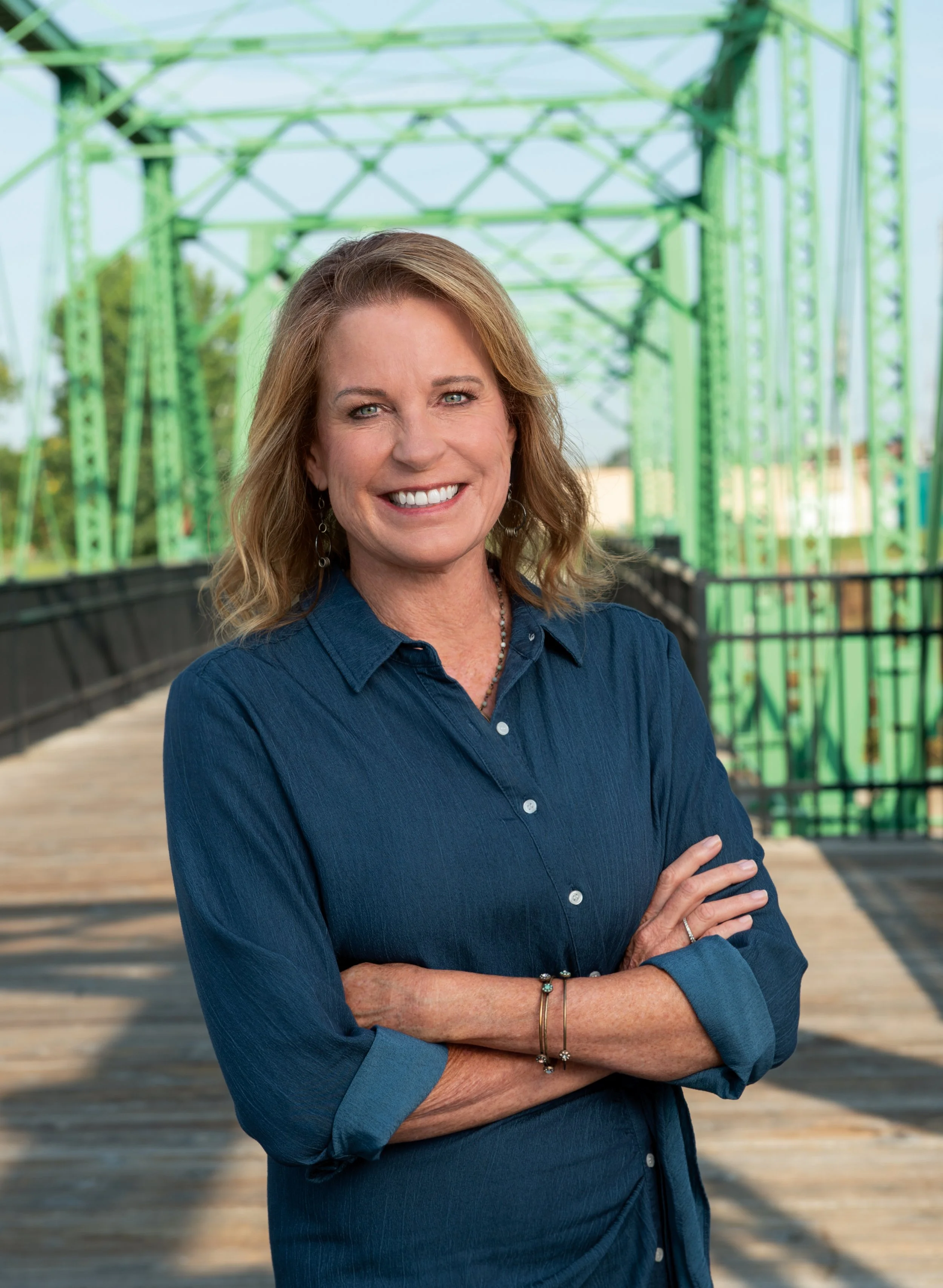
Kristi Knous
The Community Foundation of Greater Des Moines’ For Impact Leaders program offers nonprofit professionals the opportunity to advance their leadership skills and develop a strong network. We checked in with the program’s past participants, program mentors and this year’s graduates to provide a pulse on the nonprofit sector. We’ve lightly edited responses for clarity.
— Compiled by Emily Barske Wood, special projects editor, Business Record
A note about the For Impact Leaders program
As we enter the fifth year of For Impact Leaders, we have much to celebrate — the strength of the program and the talented, committed people who are choosing to build their careers in service to our community.
Over nine months, participants grow as leaders, strengthening their personal and professional skills and forming connections that extend well beyond the program. What’s equally important, we’re seeing the ripple effects as graduates recommend the experience to colleagues and friends. Notably, more than 95% of For Impact Leaders graduates continue to amplify their impact and that of their organizations by serving in the for-impact sector.
That matters. Strong organizations depend on strong people, and supporting those who lead and serve our nonprofits today helps ensure a vibrant and resilient sector for the future.
As you’ll read in the perspectives that follow, these leaders are thoughtful about both the opportunities and the challenges ahead. They understand that improving quality of life for all requires new ideas, expertise and commitment across all sectors — and that meaningful change rarely happens alone.
Five years into For Impact Leaders, I am continuously inspired by the community this program has created. People learning together, supporting each other and their steadfast commitment to making a difference. They are helping shape what comes next for our community and demonstrating every day why we are better together.
— Kristi Knous, President of the Community Foundation of Greater Des Moines
Demir Alford
social media and digital communications manager, United Way of Central Iowa, 2026 participant
What makes you hopeful about the nonprofit sector currently?
What makes me hopeful is seeing how many people genuinely care about making their communities better. Working at United Way of Central Iowa has shown me how powerful it can be when nonprofits, businesses, volunteers and community members come together around shared goals. Being part of the For Impact Leaders program has also allowed me to meet other nonprofit professionals and learn about the work happening across our community. Seeing that passion and collaboration firsthand makes me excited about where the sector can go.
How can students who want to work for nonprofits prepare to enter the sector?
I would encourage students to get involved and build relationships early. Volunteer, attend community events, take internships and don’t be afraid to introduce yourself to people doing work you’re interested in. My own career has shown me that nonprofit work can open doors to opportunities and experiences you may not have originally imagined. Also, bring the skills you already have. I work in communications and social media, but I’ve learned how those skills can play a role in creating a much bigger community impact.
What do you want the business community to know about the current state of the nonprofit sector?
I want businesses to know that nonprofits can’t do this work alone. At United Way of Central Iowa, I get to see what can happen when businesses, nonprofits, volunteers and community members come together. Businesses can support the sector in so many ways beyond writing a check, whether that’s volunteering, sharing expertise, advocating or building long-term partnerships. The needs in our community continue to change, and having businesses at the table helps nonprofits respond, grow and create greater impact.
Lauren Becker
marketing coordinator, Friends of Des Moines Parks, 2026 participant
What makes you hopeful about the nonprofit sector currently?
What keeps me hopeful is the power of community within the nonprofit world. When challenges arise, we lean on and uplift one another. At its core, this sector is fueled by empathy, collaboration and everyday philanthropy. I truly believe most people are inherently generous and want to make a difference; our job is simply to give them the opportunity. That shared human connection keeps me inspired every day.
How can students who want to work for nonprofits prepare to enter the sector?
Take nonprofit-centered classes, volunteer in your community or get involved with local nonprofits if you can.
What do you want the business community to know about the current state of the nonprofit sector?
Collaboration and generosity remain constant necessities for a healthy nonprofit sector. Whether business support comes as corporate philanthropy or volunteer time, those investments are invaluable. Nonprofits help build the vibrant, safe and supportive communities where employees live and work. When the business sector actively partners with nonprofits, we don’t just solve immediate problems, we grow together.
Preston (Tony) Bell
founder, Association of Youth Development and Enrichment, 2026 participant
What makes you hopeful about the nonprofit sector currently?
Seeing Des Moines grow gives me hope. We got a lot of good people out here really putting in the work and helping people every day. I believe if we keep working together, supporting each other and giving new leaders a chance, Des Moines can be one of the top cities in the country when it comes to nonprofits and giving back. We got the opportunity to be the top dogs in this work, but it starts with staying connected to the people and never forgetting who we’re doing it for.
How can students who want to work for nonprofits prepare to enter the sector?
Students who want to work in the nonprofit world should get out there and get some real hands-on experience. Don’t just learn it from a book — volunteer, work with the community and see what people really need. Through AYDE, we work with Drake University and give students opportunities to volunteer with our programs while earning school credit when approved by their school. It gives students experience working with youth and the community while learning how nonprofits really operate. You have to get involved, build relationships and be willing to serve.
What do you want the business community to know about the current state of the nonprofit sector?
The nonprofit sector needs the business community more than ever. We need more mentors for our youths, more resources for people experiencing homelessness and businesses willing to invest directly into the community. At AYDE, we don’t just talk about helping — we get out there and handle business. When people donate to us, we work to turn those resources into real help for real people. I want businesses to know that nonprofits like AYDE are ready to do the work. We just need more businesses willing to step up, partner with us and help us get things done.
Jasmine Brooks
executive director, 6th Avenue Corridor, graduate
What makes you hopeful about the nonprofit sector currently?
What excites me most about the sector right now is the wave of fresh leadership stepping into executive roles. A lot of new directors bring lived experience in the communities they serve. This generational shift is bringing new energy, creative problem-solving and a willingness to try approaches older models never attempted. Watching young, mission-driven leaders take the reins gives me real confidence about where this sector is headed over the next decade.
How can students who want to work for nonprofits prepare to enter the sector?
I urge students to volunteer regularly, not just for a single event. This helps them understand the pace and pressure nonprofits operate under. They can also seek internships or capstone projects, like our partnership with Drake University’s leadership program, where students take on real project ownership. I also suggest that students join groups like a young professionals board, committee or organization to learn governance and fundraising firsthand.
What do you want the business community to know about the current state of the nonprofit sector?
Nonprofits are facing real strain right now. Federal funding cuts, including the loss of nearly $400 million in AmeriCorps support nationwide, have hit organizations across Iowa hard. We know firsthand that grants once considered reliable are shrinking or disappearing overnight. Businesses can’t replace every dollar, but consistent, unrestricted giving lets nonprofits plan rather than scramble. We need partners who invest in general operations, not just individual programs, and who see funding local nonprofits as investing directly in their own workforce, customers and neighborhoods.
Lia Brown
program manager, the Directors Council, 2026 participant
What makes you hopeful about the nonprofit sector currently?
I am inspired by creative partnerships, often born of necessity. Making “a dollar out of 15 cents” is a daily reality; however, the nonprofit sector thrives by leveraging relationships to amplify resources — collaborating on grants, developing innovative programs to bridge gaps and centering people and service.
How can students who want to work for nonprofits prepare to enter the sector?
Foster a sense of purpose and empathy, learn to use technology to create efficiencies and continue to think critically about how we can use our skills to serve.
What do you want the business community to know about the current state of the nonprofit sector?
The success of a community requires collective investment. While funding remains critical, encouraging a workforce to contribute their time, expertise and voice (through advocacy) is equally vital.
Ellie Burns
past program facilitator, Community Foundation of Greater Des Moines
What makes you hopeful about the nonprofit sector currently?
What gives me the greatest hope for the nonprofit sector is the people who lead it. Our community is filled with incredibly smart, resourceful and dedicated leaders who understand its challenges and continue to imagine what is possible. They bring creativity, resilience and a deep commitment to ensuring our community is a place where everyone has the opportunity to thrive. I see leaders willing to learn, collaborate and adapt, and that gives me tremendous confidence in the future of our sector and our community.
How can students who want to work for nonprofits prepare to enter the sector?
Prepare much like you would for a career in the for-profit sector. Nonprofits need professionals who understand finance, strategy, marketing, data, technology, operations and how to lead people. Bring those skills together with curiosity about your community and a genuine commitment to the mission you serve. Passion is important, but nonprofit work also requires business savvy, adaptability and a willingness to tackle complex challenges with limited resources. Seek experiences that build both your professional skills and your understanding of community. And come ready to do meaningful, challenging work!
What do you want the business community to know about the current state of the nonprofit sector?
Nonprofits are businesses with a different tax status. They need talented people, strong leadership and sustainable revenue. They are also essential partners in creating a thriving community, addressing complex needs alongside the public and private sectors. As nonprofits navigate significant shifts in funding, the business community can be an important partner by investing in their work and being clear and transparent about funding priorities. The easier businesses make it for nonprofits to understand where their support aligns, the more time organizations can spend advancing their missions and strengthening our community.
Jesse Coleman
community investment specialist, Bravo Greater Des Moines, 2026 participant
What makes you hopeful about the nonprofit sector currently?
What makes me hopeful is seeing nonprofits lean into an uncertain environment rather than shy away from it. Organizations are navigating funding pressures, changing community needs, and new challenges and uncertainty, yet continue to lead and serve our communities by staying focused on their missions and finding new ways to partner and collaborate.
How can students who want to work for nonprofits prepare to enter the sector?
Get civically involved and stay curious about your community. I’d suggest staying on top of local issues, priorities, trends and how your community is changing. Staying informed helps you better understand the people and communities you serve while anticipating future challenges and opportunities which may be relevant for your role or organization.
What do you want the business community to know about the current state of the nonprofit sector?
Encourage your employees to get involved in the community. You likely have people on your team with skills and expertise that nonprofits need, whether that’s serving on a board, volunteering or sharing a particular skill. It’s also a great way for employees to pursue a passion, gain leadership experience, build meaningful relationships and contribute to the community.
Gaby Cox
director of programs, Project Iowa, 2026 participant
What makes you hopeful about the nonprofit sector currently?
What makes me hopeful about the nonprofit sector is the growing spirit of collaboration not only among nonprofits, but between nonprofits and local businesses. I’m seeing more businesses recognize that strengthening our community is a shared responsibility and that they can contribute far more than financial support. By sharing their time, expertise, connections and other resources, businesses can become true partners in our missions. That kind of collaboration allows us to better serve our community, create a greater sense of belonging and build solutions that none of us could achieve alone.
How can students who want to work for nonprofits prepare to enter the sector?
Students interested in nonprofit work should start by understanding their strengths, values and the unique perspective their lived experiences bring. Much of this work is learned through hands-on experience, so seek opportunities to volunteer, intern, build relationships and, most importantly, listen to the people and communities you hope to serve. The nonprofit sector is constantly evolving as funding, policies and community needs change, making adaptability and resilience essential. Stay curious about those realities without letting uncertainty deter you. If you lead with people, remain open to learning and understand what you bring to the table, you can make a meaningful impact.
What do you want the business community to know about the current state of the nonprofit sector?
The nonprofit sector is being asked to meet increasingly complex community needs, and we cannot do it alone. I want businesses to see nonprofits not simply as organizations to support, but as partners. Our missions may align more closely with your priorities than you realize, and our programs and expertise may directly benefit your employees, customers and communities. Likewise, businesses have valuable resources beyond financial contributions — including expertise, connections, volunteers and influence. When we take time to understand what each other brings to the table, we can build partnerships that strengthen our workforce, expand our collective impact and better serve our community.
Ryan Crane
executive director, NAMI Iowa, mentor
What makes you hopeful about the nonprofit sector currently?
From a philanthropic perspective, there will be a tremendous transfer of wealth in the next two decades. And this is already underway – in 2025, gifts made by will or estate plan increased nearly 17% over 2024. Nonprofits who show they can plan for the future – and handle larger gifts – could be well-positioned for the challenges ahead.
How can students who want to work for nonprofits prepare to enter the sector?
Students who are seeking to enter the nonprofit sector should practice resilience and flexibility. Too often, we lack structure and documentation in our sector. Students who may have expected to find more policies and guidelines may realize they can be part of solving this challenge.
What do you want the business community to know about the current state of the nonprofit sector?
General operating support matters a lot. Support for hard infrastructure and supplies is needed, but there are precious few donors and funders who realize the importance of unrestricted gifts.
Jen Cross
vice president of strategic partnerships, Great Outdoors Foundation, graduate
What makes you hopeful about the nonprofit sector currently?
What makes me hopeful is the growing recognition that lasting change requires collaboration across sectors. Nonprofits are increasingly serving not just as service providers, but as conveners, innovators and trusted partners that can bring together communities, businesses, government and philanthropy around shared outcomes. I’m also encouraged by a stronger focus on measurable impact and long-term solutions rather than short-term fixes. When nonprofits pair mission-driven leadership with creativity, strong partnerships and a willingness to rethink traditional approaches, I believe we can solve complex challenges in ways that are both practical and enduring.
What do you want the business community to know about the current state of the nonprofit sector?
The nonprofit sector is being asked to do more than ever, often while navigating rising costs, greater demand and increasingly complex challenges. What I want the business community to know is that nonprofits are strategic partners in building stronger communities and economies, and strong partners require strong organizations. Operational, unrestricted and capacity-building investments are critical because they give nonprofits the flexibility to attract talent, strengthen systems, innovate and respond to emerging needs. Funding the mission also means funding the infrastructure that makes the mission possible. When businesses invest in both programs and organizational capacity, they help create stronger, more sustainable impact over time.
Tracy Gryp
director of programs, Full Circle Recovery, graduate
What makes you hopeful about the nonprofit sector currently?
What makes me hopeful is seeing more people with lived experience being included in leadership, decision-making and program development. The people closest to the challenges often have some of the clearest insight into what will actually help. I’m also encouraged by the strength of community partnerships. Nonprofits, government agencies, funders and other community organizations are increasingly working together instead of trying to solve complex problems in isolation. That kind of collaboration, combined with meaningful lived experience, creates better solutions and stronger communities.
How can students who want to work for nonprofits prepare to enter the sector?
Students should focus on building relationships as much as building credentials. Nonprofit work is deeply connected to people, partnerships and community, so learning how to listen, collaborate and build trust matters. I also think flexibility and curiosity are important. Nonprofit work rarely goes exactly as planned, and the people who do well are often the ones who can adapt, ask good questions and stay open to learning from the people around them.
What do you want the business community to know about the current state of the nonprofit sector?
Demand for nonprofit services continues to grow, often faster than organizations have the staffing and resources to meet it. Nonprofits are being asked to do more with limited capacity, and sustainable funding is a critical part of that equation. I’d encourage the business community to see nonprofit support not just as charitable giving, but as an investment in the health and stability of the communities where we all live and work. Strong nonprofits benefit everyone.
Alison Hanner
director of development and communications, Variety - the Children’s Charity of Iowa, graduate
What makes you hopeful about the nonprofit sector currently?
What makes me hopeful is the continued support of our community and donors. Even as events and fundraising strategies have evolved over the years, our mission remains the same: helping kids. Our donors and community continue to show up, believe in our mission and care deeply about the impact we are making. That commitment reminds me that while the nonprofit sector may continue to change and evolve, the desire to make a difference never goes away.
How can students who want to work for nonprofits prepare to enter the sector?
Get involved! College is a great time to build leadership, communication and relationship-building skills through volunteer opportunities and student organizations. Look for campus groups with a philanthropy component, volunteer with local nonprofits or take on leadership roles that allow you to make an impact. Nonprofits are always looking for passionate, hardworking people who are willing to jump in and help. Most importantly, be curious, build relationships and take advantage of every opportunity to learn. The connections and experiences you gain in college can help you build a strong foundation for a meaningful career in the nonprofit sector.
Kristi Kerner
executive director, Mindspring Mental Health Alliance LLC, graduate
What makes you hopeful about the nonprofit sector currently?
The fierce passion and unwavering advocacy of the people doing this work. They are deeply motivated to stand up and fight for the needs of those they serve, regardless of the growing obstacles they continue to be faced with.
How can students who want to work for nonprofits prepare to enter the sector?
I think the most impactful way to prepare is to have real and candid conversations with those in the field. I continue to learn so much from my peers doing the work day to day and am so thankful for the honesty I encounter.
What do you want the business community to know about the current state of the nonprofit sector?
Your support and involvement are critical, especially now. Financial contributions are vital, but I also encourage you to think creatively about how else you can champion and support the nonprofit sector.
What is a creative way your nonprofit is collaborating with other organizations or community partners?
By partnering with other organizations to host live experience panels, we elevate real stories and connect with individuals who may not be ready to share their own journey or seek traditional help.
Laura Lentell
child and adolescent health director, EveryStep, 2026 participant
What makes you hopeful about the nonprofit sector currently?
What makes me hopeful about the nonprofit sector is its ability to adapt and collaborate in response to changing needs. Every day, I see people who are deeply committed to improving outcomes for children and families, even when resources are limited and challenges are complex. I am encouraged by the growing recognition that no single program or organization can solve these challenges alone. Increasingly, nonprofits, healthcare providers, public agencies and community partners are working together to create more coordinated systems of support.
How can students who want to work for nonprofits prepare to enter the sector?
My advice to students is to get as close to the work as possible. Volunteer, complete an internship, attend community events and spend time listening to the people and communities you hope to serve. Nonprofit work is deeply relational, and understanding community needs firsthand is one of the best ways to prepare. I would also encourage students to build skills in communication, collaboration, data-informed decision-making and project management, as these are valuable across many nonprofit roles. Above all, remain curious and mission-driven. The nonprofit sector offers opportunities to create meaningful impact, and those who are willing to learn, adapt and work alongside others are well positioned to make a difference.
What do you want the business community to know about the current state of the nonprofit sector?
The nonprofit sector is experiencing growing demand for services while facing workforce and funding challenges similar to many other industries. Nonprofits provide essential support that strengthens families and communities, often serving as a critical safety net when needs outpace available resources. It is important to recognize that the individuals and families seeking assistance are working hard while navigating rising costs, housing, childcare, health and other challenges. Nonprofits are strategic community partners, and when businesses, nonprofits, government and communities work together, we can create an even greater impact and build stronger, healthier communities for all.
Jordan McCormick
program executive, YMCA of Greater Des Moines/Girls on the Run of Central Iowa, 2026 participant
What makes you hopeful about the nonprofit sector currently?
What gives me hope about the nonprofit sector is the growing commitment to collaboration over competition. Through Girls on the Run of Central Iowa and the For Impact Leaders cohort, I’ve seen organizations come together to share ideas, solve challenges and strengthen our collective impact. I’m also encouraged by the focus on meaningful outcomes, asking not just how many people we serve, but how lives are changing. Most of all, it’s the people – volunteers, donors, partners and nonprofit professionals – whose creativity, resilience and shared purpose continue to inspire me and make our communities stronger.
How can students who want to work for nonprofits prepare to enter the sector?
Get involved early. Volunteer, intern or serve on a committee to gain hands-on experience and better understand how nonprofits create impact. Build relationships with nonprofit leaders, ask questions and stay curious. While technical skills are valuable, the ability to communicate, collaborate, adapt and build trust is just as important. Finally, remember that nonprofit careers are about both purpose and performance. The strongest organizations pair passion for the mission with strategic thinking, sound business practices and a commitment to measurable impact.
What do you want the business community to know about the current state of the nonprofit sector?
Nonprofits are doing more than ever with limited resources, but we can’t solve our communities’ biggest challenges alone. The strongest outcomes happen when businesses invest beyond financial support by sharing expertise, encouraging employee volunteerism and building long-term partnerships. Nonprofits are strategic, data-driven organizations that create measurable impact, strengthen communities and help develop the future workforce. When the business and nonprofit sectors work together, we don’t just address today’s needs – we create lasting change that benefits everyone.
Jordan Mix
associate executive director, Iowa Safe Schools, 2026 participant
What makes you hopeful about the nonprofit sector currently?
I’m hopeful because I see nonprofits becoming more strategic, collaborative and willing to rethink how we do our work. The challenges facing our communities are enormous, but so is the creativity and determination of the people responding to them. I’m especially encouraged by organizations recognizing that we don’t have to do everything ourselves — we can share resources, build partnerships and focus our energy where we can make the greatest lasting impact. At Iowa Safe Schools, hope isn’t passive. We believe in creating possibilities for young people, even when the circumstances around them tell them those possibilities don’t exist.
How can students who want to work for nonprofits prepare to enter the sector?
Learn to be both a dreamer and a pragmatist. Nonprofit work requires passion, but it also requires project management, communication, budgeting, relationship-building, data and the ability to solve problems with limited resources. Seek internships, volunteer, serve in a student organization or find ways to work alongside people doing community-based work. Most importantly, practice listening. The best nonprofit professionals don’t enter communities assuming they have the answers; they show up authentically, learn from the people closest to the issue and then use their skills to help turn community priorities into meaningful action.
What do you want the business community to know about the current state of the nonprofit sector?
Nonprofits are being asked to do more while navigating increasingly unpredictable funding, rising costs, workforce challenges and growing community needs. But I don’t want the business community to hear that as a plea for sympathy. Nonprofits are an essential part of Iowa’s infrastructure, and strong communities depend on strong nonprofits. We need business leaders to see us as partners — not simply organizations asking for donations. Bring us to the table early, share your expertise, open doors, invest strategically and help us think about sustainable solutions. The strongest partnerships are built around shared outcomes, not just transactions.
Peri Montufar
donor engagement manager, Iowa Healthiest State Initiative, graduate
What makes you hopeful about the nonprofit sector currently?
At the Iowa Healthiest State Initiative, we’ve seen organizations continue to innovate, collaborate and meet people where they are. Whether that’s expanding access to healthy food, supporting mental health or creating opportunities for healthier communities. Even during times of uncertainty, nonprofits remain focused on solutions, partnerships, and serving others. The shared purpose is what continues to move Iowa forward.
How can students who want to work for nonprofits prepare to enter the sector?
The best way to prepare for a career in the nonprofit sector is to get involved early. Volunteer for a cause you’re genuinely passionate about, pursue internships and offer to help with specific programs or projects to build real-world experience.
What do you want the business community to know about the current state of the nonprofit sector?
Nonprofits are being asked to do more with fewer resources. As government funding declines, nonprofits often step in, but they can’t fill every gap without sustainable investment. Lasting community impact requires more than one-time donations; it requires long-term partnerships that support both programs, people and infrastructure behind them. Just like all businesses, nonprofits need revenue to keep the lights on, retain talented staff and deliver meaningful results. If we want stronger, healthier communities, we need to invest in the organizations doing the work every day.
What have you learned through your For Impact Leaders involvement?
Beyond the valuable curriculum in strategic planning, advocacy, program evaluation and more, For Impact Leaders reinforced for me the importance of connection, ongoing development and access to community experts.
The experience aligned with what gives me hope — and what I believe nonprofits need to truly sustain, grow and thrive. The opportunity to connect, share stories, learn from experienced leaders and feel supported in my own development was a reminder of the strength we gain through community.
Noelle Nelson
president, Talent Collective DSM, 2026 participant
What makes you hopeful about the nonprofit sector currently?
What makes me hopeful is the growing spirit of collaboration across the nonprofit sector. As resources become more constrained, leaders are looking beyond organizational boundaries and getting creative about how we can work together more effectively. There is a greater willingness to reduce redundancies, address areas of overlap, share resources and expertise and focus on where each organization can contribute the most value. At Talent Collective DSM, we see collaboration not simply as a response to limited resources, but as an opportunity to strengthen our collective impact and better serve our community.
How can students who want to work for nonprofits prepare to enter the sector?
Students interested in nonprofit careers should prepare much as they would for any professional path: build strong, transferable skills, seek meaningful real-world experience and learn how organizations operate and measure impact. I came to the nonprofit sector from public education and quickly learned that the skills I had developed there transferred in all the ways that mattered. Nonprofits need strong communicators, project managers, relationship builders, strategic thinkers and problem solvers. Passion for a mission is important, but pairing that passion with solid professional skills and a willingness to learn will position students to contribute meaningfully from day one.
What do you want the business community to know about the current state of the nonprofit sector?
The nonprofit sector is becoming increasingly collaborative as organizations look for ways to reduce duplication, share resources and maximize impact. At the same time, we have much to learn from strong business practices. Strategic planning, operational discipline, thoughtful use of data, talent development and a clear focus on outcomes can make nonprofit organizations stronger and more sustainable. I hope the business community sees nonprofits not only as causes to support, but as partners to engage with. When we combine mission-driven work with strong business thinking and cross-sector collaboration, our entire community benefits.
Alex Nuzum
director of education and public engagement, Greater Des Moines Botanical Garden, graduate and advisory committee member
What makes you hopeful about the nonprofit sector currently?
There are passionate people who deeply care about and believe in nonprofits and the missions they serve. From generous volunteers and supportive donors to dedicated employees, there is a shared commitment to making a difference in our community. This passion, dedication and support gives me hope because it shows that our community is willing to come together, support one another and make a meaningful difference.
How can students who want to work for nonprofits prepare to enter the sector?
There is no single path to working in the nonprofit sector, but one common quality is having a desire to serve others and make a difference. Those who enter nonprofit work care deeply about the mission and people they serve. This passion is critical to the work and what makes it so meaningful and rewarding. Find a mission you believe in, find a sustainable work-life balance and build strong, supportive partnerships. If you can do that, you will be successful in the nonprofit sector.
Lauryn Nystrom
fund development manager, Big Brothers Big Sisters of Central Iowa, 2026 participant
What makes you hopeful about the nonprofit sector currently?
What makes me hopeful is seeing nonprofits become more creative, collaborative and focused on showing real impact. I’m encouraged by how many people and businesses want to be part of something bigger than themselves. In my work, I’ve seen how much can happen when nonprofits, volunteers and businesses come together around a shared purpose.
How can students who want to work for nonprofits prepare to enter the sector?
Start building your network early. Connect with people who work in nonprofits, ask questions and look for ways to get involved in causes you care about, even if it’s just volunteering or attending an event. Those experiences help you learn what you enjoy, build relationships and get your foot in the door. A lot of nonprofit opportunities come through relationships, so don’t be afraid to put yourself out there and start connecting before you’re looking for a job.
What do you want the business community to know about the current state of the nonprofit sector?
I want the business community to know that nonprofits are made up of passionate people who are working incredibly hard to create real change. We’re serious about our work, focused on results and constantly looking for ways to be more effective. Nonprofits aren’t just a “nice to have.” We’re an essential part of a strong, healthy community and we need the business community as partners in that work.
Jodi Rhone
founding partner, Canary Consulting Group, advisory committee member
What makes you hopeful about the nonprofit sector currently?
I’m excited to see how the sector is evolving around the topic of partnership. Intentional collaboration helps nonprofits identify and reconcile redundant services, fill service gaps and find ways to collectively increase their impact. Nonprofits are often working harder than they need to, and partnerships unlock the potential for better scalability and growth.
How can students who want to work for nonprofits prepare to enter the sector?
Ideally, students will bring both business skills and mission experience to their first role. Nonprofits need the same critical thought and professional skills as any other business, and a combination of volunteer and internship opportunities prepare students to demonstrate their commitment to mission-driven work.
What do you want the business community to know about the current state of the nonprofit sector?
I wish the business community understood that nonprofits are “real” businesses, only with a more complex revenue model and where “shareholders” are the community. Sometimes it feels like the boards we coach assume nonprofit leaders are somehow less savvy, when in reality, these leaders would be equally at home in their boardrooms and are solving similar problems.
What is a creative way your nonprofit is collaborating with other organizations or community partners?
Though we’re not a nonprofit, our consulting firm has led more than 20 nonprofits through partnership exploration. We see examples of staff or space sharing, shared strategic planning, collaborative program delivery, shared back office and more substantive partnerships leading to full merger.
A.J. Salinas
executive director, Children and Family Urban Movement, graduate
What makes you hopeful about the nonprofit sector currently?
The leaders that work together to maximize impact and create system change.
How can students who want to work for nonprofits prepare to enter the sector?
Students should get involved with organizations or causes they are passionate about. They can gain experience, build relationships and get a sense of community. They also bring a different set of skills and perspectives that can be incredibly valuable to the sector.
What do you want the business community to know about the current state of the nonprofit sector?
There is a lot of uncertainty in the current state of nonprofits. A lot of unknowns that are being navigated. We need the business community to think about their partnerships with the same innovation they think about their products.
Scott Sithonnorath
street outreach worker, Primary Health Care, Graduate
How can students who want to work for nonprofits prepare to enter the sector?
I would encourage students to build relationships with nonprofits whose missions speak to their soul. Ask about volunteer opportunities and find ways to get involved. At the same time, ask yourself: What kind of person do I need to become to serve others well? What character traits do I need to develop for nonprofit work?
John Soener
director of programs, Community Youth Concepts, graduate
What makes you hopeful about the nonprofit sector currently?
The nonprofit sector is filled with caring, hardworking people who are doing the difficult work every day of caring for and uplifting our community. I’m inspired every day by my colleagues in the sector.
How can students who want to work for nonprofits prepare to enter the sector?
Students should learn about the intersections of nonprofits and government. It’s critical that our nonprofit and public workforce understand how the systems work and where they fall short. The more you learn the more you’ll understand the challenges we’re facing and the opportunities available to you.
What do you want the business community to know about the current state of the nonprofit sector?
Nonprofits are feeling constrained. Throughout the past five years, many organizations have felt that there are less funding opportunities available to them and that they are being asked to do more with less. The more you can get your staff engaged and the easier you can make your funding process, the better!
Andrea Stacy
associate director of development, the Nature Conservancy in Iowa, graduate
What do you want the business community to know about the current state of the nonprofit sector?
Unrestricted funding is one of the most powerful investments the business community can make in the nonprofit sector. It gives organizations the flexibility to respond to urgent needs, adapt to changing circumstances and focus resources where they can make the greatest difference. During times of uncertainty, this kind of support helps nonprofits remain responsive and impactful.
Brett Stiles
development coordinator, Alzheimer’s Association, graduate
What makes you hopeful about the nonprofit sector currently?
That individuals and companies want to continue to be involved with nonprofits and find ways to mutually better their communities, even when resources are limited.
How can students who want to work for nonprofits prepare to enter the sector?
Stories, testimonies and firsthand accounts are invaluable to a nonprofit’s work and if you can develop one, it will help give you a direction in your career in the nonprofit sector, but also give you a tool to use for when you have to advocate for a nonprofit’s mission.
What do you want the business community to know about the current state of the nonprofit sector?
That the landscape is constantly changing and having open dialogue during turbulent times is crucial for an ongoing partnership for both the business community and the nonprofit sector.
Gabe Tena
leadership annual giving officer, Planned Parenthood North Central States, graduate
What makes you hopeful about the nonprofit sector currently?
Nonprofits continue to collaborate with other organizations, organize in their communities and push back against those who try to harm the people they serve.
How can students who want to work for nonprofits prepare to enter the sector?
Volunteer/intern with organizations that you care about! Nonprofits can really fill your bucket and make you feel fulfilled, but it’s not always great. Nonprofits make a lot happen with very little and that can feel heavy. Also, get to know the people you’d be serving and what issues they face. Having an outside perspective really goes a long way to understanding how we can best help them.
Angie Weis
chief operating officer, Ellipsis, graduate
What makes you hopeful about the nonprofit sector currently?
What makes me hopeful is the passion and resilience I continue to see across the nonprofit sector. Even while navigating workforce shortages, limited funding and increasingly complex community needs, nonprofit professionals continue to find creative ways to serve people well. I am especially encouraged by the growing collaboration between providers, funders, government agencies and community partners. When we share ideas, learn from one another and remain focused on the people we serve, we can create meaningful and lasting change. The commitment of those who choose this work — and continue showing up during difficult times — gives me tremendous hope.
How can students who want to work for nonprofits prepare to enter the sector?
I encourage students to get firsthand experience by volunteering with several nonprofit organizations. This will help you understand the work, the people being served and how missions, cultures and operations differ across the sector. I also encourage you to ask about internship opportunities, even if an organization does not formally advertise them. Simply reaching out may open a door. Finding a nonprofit leader who is willing to mentor you can also provide an honest look at both the rewards and challenges of the work. Exploring several organizations will help you discover where your own skills, values and passions fit best.
What do you want the business community to know about the current state of the nonprofit sector?
I want the business community to understand that nonprofits are complex organizations addressing increasingly complex needs, often with limited resources. We need more than financial support — we need genuine partnerships, shared expertise, advocacy and a willingness to work together on community solutions. Businesses can support nonprofits through board service, employee volunteerism, mentorship, providing in-kind services and creating career exploration or mentoring opportunities for the clients we serve. When businesses invest in strong nonprofit organizations, they are also investing in healthier employees, families and communities. Neither sector can solve today’s challenges alone, but together we can create a much greater impact.
Blake Willadsen
director of strategic communications, Des Moines Area Religious Council (DMARC), 2026 participant
What makes you hopeful about the nonprofit sector currently?
I feel that it’s increasingly true that some of the most talented and hard-working people in our community are choosing a career that’s focused on impact. I continue to run into people who hit a point in life where the lightbulb comes on, and they realize that there is a home for them in these organizations. The work is not always easy, but it requires people of diverse skill sets and backgrounds who want to see the change in their community happen right before their eyes.
How can students who want to work for nonprofits prepare to enter the sector?
As a student, you have the best excuse in the world to ask for people’s time. People see your potential and want to help. If there’s something you want to learn more about, just ask! Whether it’s through volunteering, internships or other opportunities through your coursework, there is usually an opportunity right around the corner.
What do you want the business community to know about the current state of the nonprofit sector?
When we look at the strain being put on nonprofits in Central Iowa, a lot of the stress is coming from a lack of definition around whose role is what. Where do nonprofits fit into the bigger picture? Business leaders? Faith groups? Government? The next few years might test the mettle of these institutions as AI and affordability shape our daily lives, and having business leaders in our corners could make a world of difference. So think about where your work intersects or areas where a nonprofit is doing similar processes on a different scale. Being able to consult in those moments is invaluable when time is one of our biggest resources.
Sue Wilson
executive director, WeLIFT Resources, 2026 participant
What makes you hopeful about the nonprofit sector currently?
The nonprofit sector has the ability to bring people and organizations together when the goal is helping people move forward. Collaboration is becoming stronger as nonprofits, government agencies, churches, businesses and community organizations work together for the greater good and stop working in isolation. Nonprofits are becoming more innovative and are moving beyond simply providing a service and toward creating pathways, partnerships, navigation systems and long-term sustainable solutions.
How can students who want to work for nonprofits prepare to enter the sector?
WeLIFT had the incredible opportunity to work with the local high schools and Simpson College. I think the strongest message is that nonprofit work is about being a connector — connecting people to resources, organizations to one another and communities to solutions. The nonprofit work can be some of the hardest work, but by far the most rewarding career anyone can invest in. We share with our students to get involved early, volunteer, ask questions, attend community meetings, meet nonprofit leaders and learn how organizations work together. What makes your heart break is often the cause you want to support. You may discover that your greatest asset isn’t knowing everything — it’s being willing to listen, learn, build relationships and help connect people to solutions.
What do you want the business community to know about the current state of the nonprofit sector?
I think the most important message for the business community is that the nonprofit sector is not simply asking for help — it is asking for partnership. Businesses and nonprofits have a shared interest in building communities where people can work, provide for their families and thrive.
When we work together, we can address problems earlier, connect people to the right resources, strengthen the workforce and ultimately build a healthier local economy. The nonprofit sector isn’t separate from the business community — it is an important part of the community’s infrastructure.